
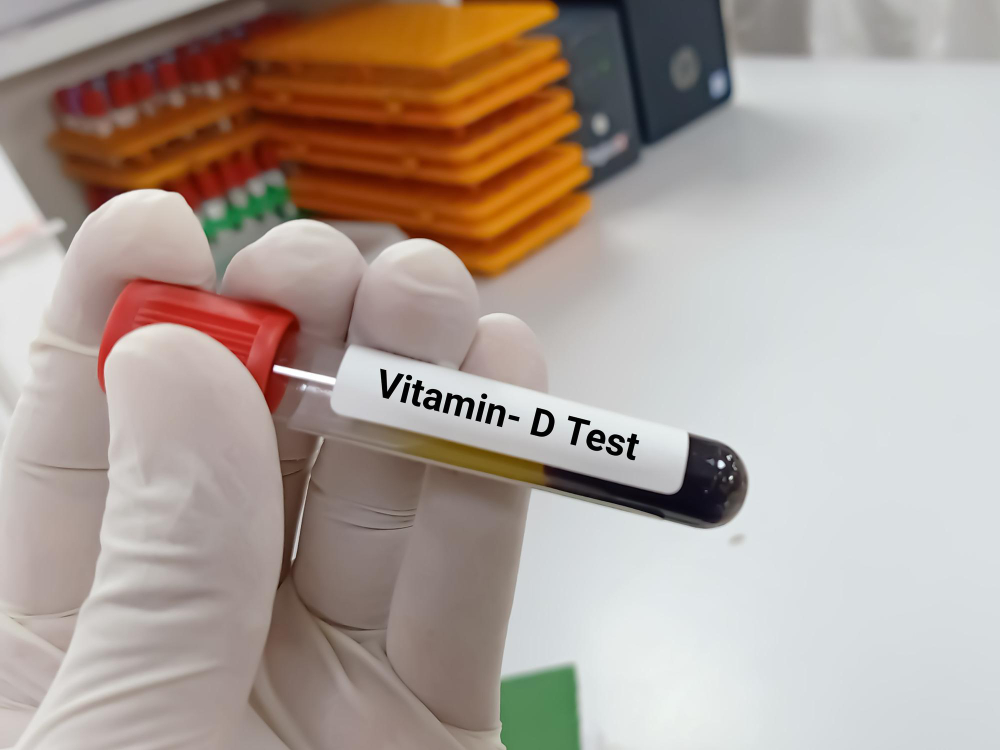
What is the Vitamin D (25-hydroxyvitamin D) Test?
The Vitamin D (25-hydroxyvitamin D) test is a simple blood test. It checks the level of vitamin D in your body. Doctors often call it the vitamin D deficiency test or blood test for vitamin D. This test helps find out if you have enough vitamin D for good health. In the United States, it is a common way to check vitamin D levels.
Why is the Test Important?
Vitamin D helps your body use calcium. Because of this, it keeps your bones strong. It also supports your muscles and immune system. If you do not have enough vitamin D, you may feel weak or get sick more often. For example, low vitamin D can lead to bone pain or soft bones. Therefore, the test can help find problems early. Early action can prevent serious health issues.
Who Should Get Tested?
Not everyone needs a vitamin D (25-hydroxyvitamin D) test. However, some people are at higher risk for low vitamin D. You may need this test if you:
In addition, your doctor may suggest the test if you have symptoms of vitamin D deficiency.
How is the Test Performed?
The vitamin D (25-hydroxyvitamin D) test is quick and safe. Here is what usually happens:
The whole process takes only a few minutes. Most people feel little pain, just a quick pinch.
Understanding Your Results
Your test results show how much vitamin D is in your blood. The normal vitamin D range is usually:
However, these numbers can vary. Your doctor will explain what your results mean for you. Sometimes, you may need more tests to find the cause of low or high levels.
Risks and Considerations
The vitamin D (25-hydroxyvitamin D) test is very safe. Still, like any blood test, there are small risks. For instance, you may have:
Most people have no problems. If you feel dizzy or notice swelling, tell your doctor right away.
Tips for Maintaining Healthy Vitamin D Levels
Keeping your vitamin D in the normal range is important. Here are some simple tips:
Always talk to your doctor before starting new supplements.
Frequently Asked Questions (FAQ)
Conclusion and Next Steps
In summary, the vitamin D (25-hydroxyvitamin D) test is a simple way to check your vitamin D levels. It helps find problems early and keeps your bones and body healthy. If you think you need this test, talk to your healthcare provider. They can give you advice that fits your needs.
Book your vitamin D test at Healthood Diagnostics Pvt. Ltd. for personalized advice and accurate results.